RRB Nursing Superintendent Syllabus 2026 – Direct Summary
The official RRB Nursing Superintendent Syllabus 2026 has been released under CEN No. 05/2026 – Paramedical Categories. The Single Stage Computer Based Test (CBT) consists of 100 Objective Multiple Choice Questions for 100 Marks to be solved in 90 Minutes.
The paper is divided into 4 key sections: Professional Ability (70 Marks) covering 18 core nursing subjects, General Awareness (10 Marks), General Arithmetic, Intelligence & Reasoning (10 Marks), and General Science up to 10th CBSE Standard (10 Marks). Each wrong answer carries a 1/3 negative marking deduction.
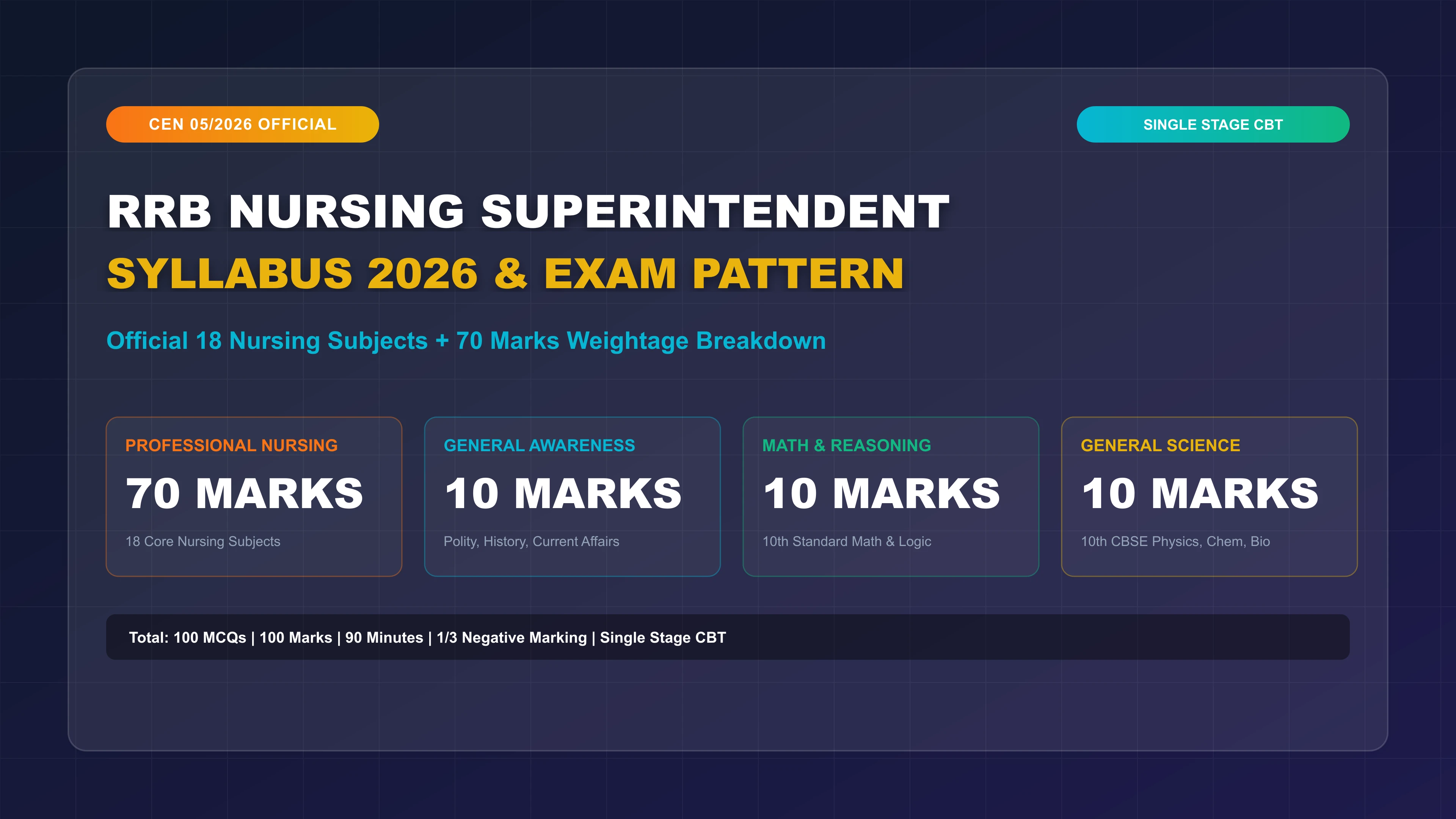
Figure 1: Official RRB Nursing Superintendent Syllabus 2026 & CBT Structure Overview
1. RRB Nursing Superintendent Syllabus 2026 & Exam Pattern Key Highlights
Candidates preparing for Railway Nursing Superintendent posts (Level 7 Pay Matrix, ₹44,900 initial pay) under CEN 05/2026 must structure their revision around the official examination parameters:
| Exam Parameter | Official RRB Specification |
|---|---|
| Recruitment Body | Railway Recruitment Boards (RRBs), Ministry of Railways |
| Notification Number | CEN No. 05/2026 (Paramedical Categories) |
| Target Post | Nursing Superintendent (Category No. 01, Level 7 Pay) |
| Examination Mode | Single Stage Computer Based Test (CBT) |
| Total Questions / Marks | 100 Questions / 100 Marks |
| Exam Duration | 90 Minutes (120 Minutes for eligible PwBD with Scribe) |
| Question Format | Objective Multiple Choice Questions (4 Options, 1 Correct) |
| Negative Marking | 1/3 Mark (0.33) deducted for each wrong response |
| Language Options | 15 Languages (English, Hindi, Assamese, Bengali, Gujarati, Kannada, Konkani, Malayalam, Manipuri, Marathi, Odia, Punjabi, Tamil, Telugu, Urdu) |
2. Section-Wise CBT Marks & Question Distribution
The CBT paper is divided into four main sections. The Professional Ability section carries 70% of the total examination weightage:
| Section Name | Number of Questions | Total Marks | Indicative Weightage % |
|---|---|---|---|
| Professional Ability (Nursing Subjects) | 70 | 70 | 70% |
| General Awareness | 10 | 10 | 10% |
| General Arithmetic, Intelligence & Reasoning | 10 | 10 | 10% |
| General Science (10th CBSE Standard) | 10 | 10 | 10% |
| Total Single Stage CBT | 100 | 100 | 100% |
3. 18 Core Subjects in RRB Nursing Superintendent Syllabus 2026
Annexure-C of CEN No. 05/2026 specifies 18 professional nursing subjects for the 70-mark Professional Ability section. Below is the official subject list alongside detailed preparation subtopics for comprehensive revision:
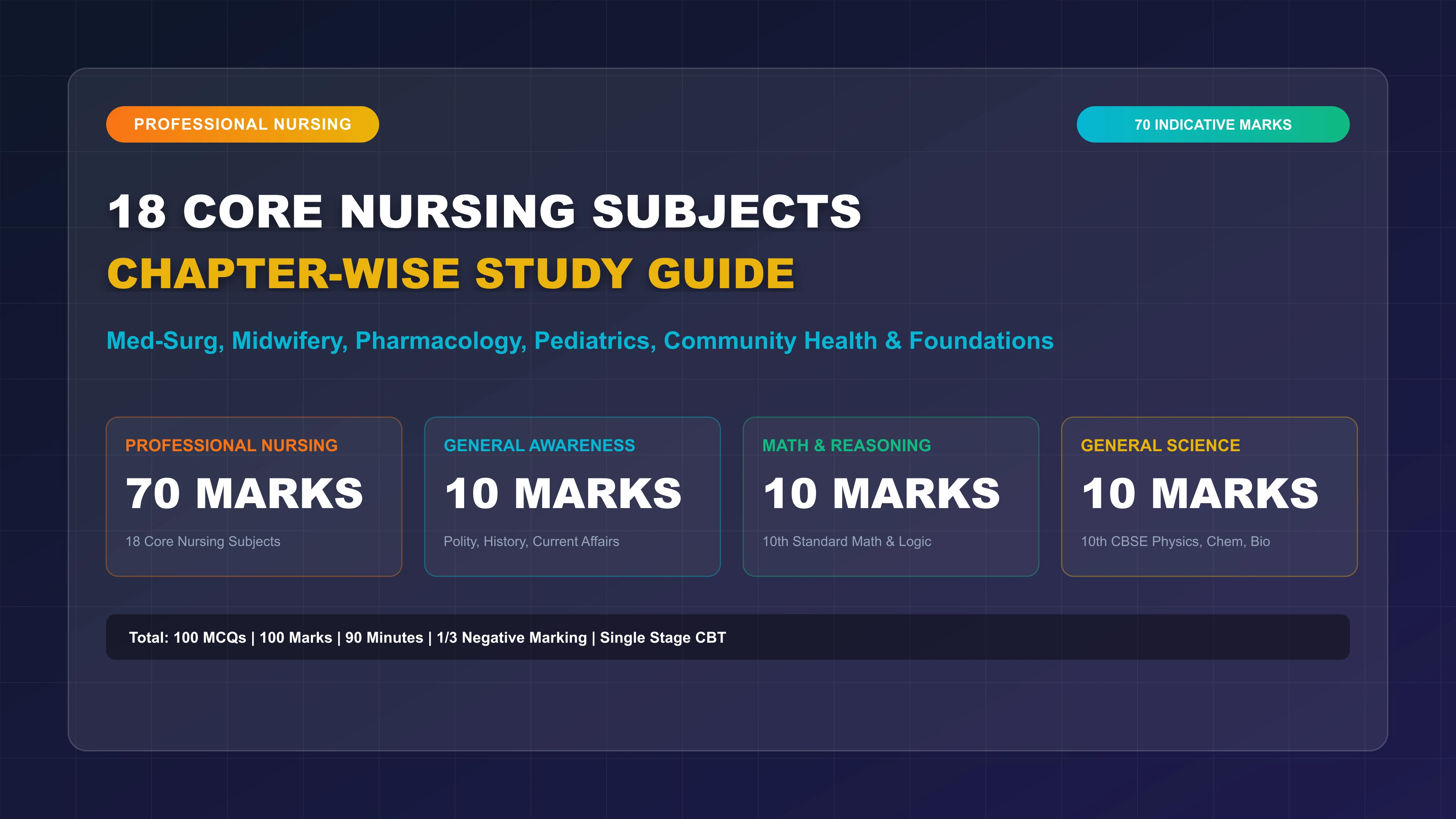
Figure 2: 18 Official Professional Nursing Subjects for RRB Nursing Superintendent CBT
1. Anatomy
Human body organization, cells & tissues, skeletal, muscular, cardiovascular, respiratory, digestive, nervous, endocrine, urinary, reproductive, lymphatic systems, special senses.
2. Physiology
Blood & circulation, cardiac cycle, blood pressure, gas exchange, renal clearance, fluid-electrolyte balance, neural transmission, hormone regulation, temperature control.
3. Nutrition
Macronutrients (carbs, proteins, fats), micronutrients (vitamins, minerals), balanced diet, therapeutic diets, malnutrition, infant & maternal nutrition, enteral/parenteral nutrition.
4. Biochemistry
Carbohydrate, lipid & protein metabolism, enzymes, acid-base balance, blood biochemistry, clinical biochemical investigations, metabolic pathways.
5. Nursing Foundations
Nursing process & assessment, vital signs monitoring, aseptic techniques, infection prevention, bed making, medication administration, admission/discharge, first aid, emergency care.
6. Psychology
Human behavior, personality development, intelligence, learning, memory, motivation, stress & coping mechanisms, psychological response to acute/chronic illness.
7. Microbiology
Bacterial, viral, fungal & parasitic pathogens, sterilization, disinfection, immunity, hospital-acquired infections (HAI), specimen collection & biosafety protocols.
8. Sociology
Structure of society, family systems, culture, socialization, community dynamics, social problems, social determinants of health in clinical care.
9. Pharmacology
Pharmacokinetics, pharmacodynamics, dosage calculation, drug administration routes, adverse drug reactions, antibiotics, cardiovascular, CNS, respiratory & emergency drugs.
10. Pathology
Cellular injury, inflammation, tissue repair, neoplasia, hematological disorders, systemic pathological changes, diagnostic lab interpretation.
11. Genetics
Genes & chromosomes, Mendelian inheritance, chromosomal abnormalities, gene mutations, genetic disorders, prenatal screening & genetic counseling.
12. Medical-Surgical Nursing (Adult & Geriatrics)-I
Cardiovascular, respiratory, GI, renal, endocrine, neurological, musculoskeletal disorders, perioperative care, ICU fundamentals, geriatric healthcare, pain management.
13. Community Health Nursing
Primary healthcare (PHC), epidemiology, communicable disease control, National Health Programs (NHP), immunization schedules, maternal-child health, environmental hygiene.
14. Child Health Nursing (Pediatrics)
Pediatric growth & milestones, newborn assessment, IMNCI guidelines, congenital anomalies, pediatric emergencies, childhood nutrition & immunization.
15. Mental Health Nursing (Psychiatry)
Mental status examination (MSE), therapeutic communication, schizophrenia, mood disorders, anxiety disorders, substance abuse, psychiatric emergencies, psychopharmacology.
16. Midwifery & Obstetrical Nursing
Antenatal care, normal pregnancy, high-risk pregnancy, stages of labor, partograph, delivery complications, postnatal care, newborn resuscitation, obstetrical emergencies.
17. Nursing Research & Statistics
Research methodology, sampling techniques, data collection tools, evidence-based nursing, central tendency (mean, median, mode), statistical tables & figures.
18. Management of Nursing Services & Education
Hospital administration, ward management, staffing, delegation, leadership styles, nursing audit, quality assurance, teaching-learning methods in nursing.
4. Detailed Syllabus for 30-Mark General Sections
The remaining 30 marks are distributed equally across three non-nursing sections (10 marks each). Below is the itemized topic list from CEN 05/2026 Annexure-C:
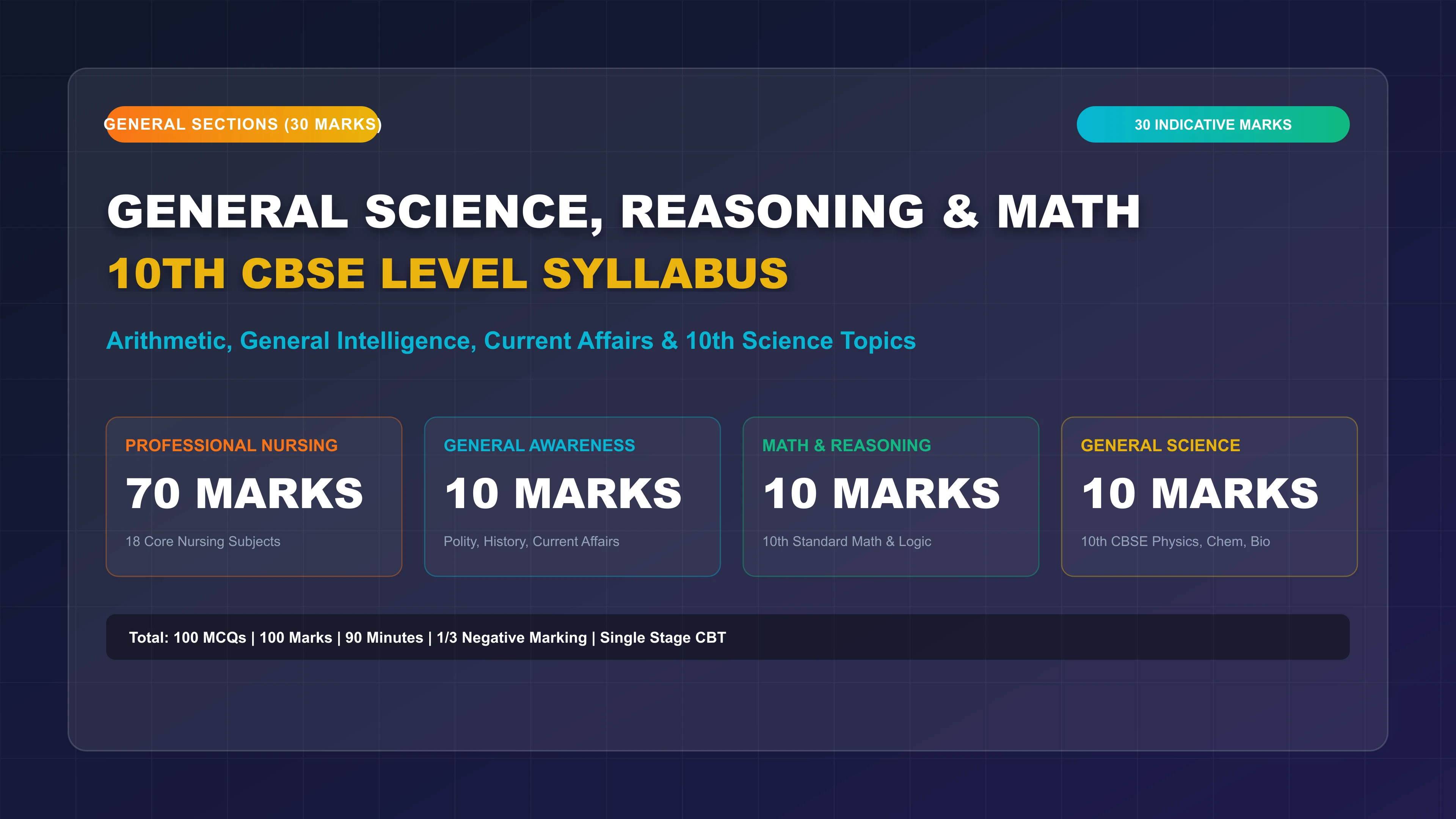
Figure 3: 30-Mark General Subjects Syllabus Breakdown (Arithmetic, Reasoning, Awareness & Science)
General Arithmetic (10 Marks)
- Number System & BODMAS
- Decimals & Fractions
- LCM and HCF
- Ratio and Proportion
- Percentages & Profit/Loss
- Time & Work, Pipes & Cisterns
- Time & Distance
- Simple & Compound Interest
- Mensuration, Algebra, Geometry
- Trigonometry & Statistics
- Calendar & Clock, Age Calculations
Reasoning (10 Marks)
- Analogies & Classification
- Alphabetical & Number Series
- Coding and Decoding
- Mathematical Operations
- Blood Relationships
- Syllogism & Venn Diagrams
- Jumbling & Data Interpretation
- Data Sufficiency
- Conclusions & Decision Making
- Analytical & Spatial Reasoning
- Statement & Assumptions
Awareness & Science (10 Marks Each)
- General Awareness: Current Affairs, Indian History, Culture, Geography, Polity, Constitution, Economy, Environmental Issues, Sports, Tech Developments.
- General Science: Physics, Chemistry & Life Sciences up to 10th Standard CBSE Level.
5. Minimum Qualifying Marks & Negative Marking Rules
To qualify for Document Verification, candidates must achieve the minimum prescribed category percentage in the CBT:
| Category | Official Minimum Qualifying Percentage | Marks Required (Out of 100) |
|---|---|---|
| Unreserved (UR) | 40% | 40.00 Marks |
| Economically Weaker Section (EWS) | 40% | 40.00 Marks |
| Other Backward Classes (OBC-NCL) | 30% | 30.00 Marks |
| Scheduled Caste (SC) | 30% | 30.00 Marks |
| Scheduled Tribe (ST) | 25% | 25.00 Marks |
| Persons with Benchmark Disabilities (PwBD) | 2% relaxation in minimum qualifying marks in case of vacancy shortage | |
6. Linking Syllabus with Previous Year Question Papers (PYQs)
Completing the syllabus requires practicing authentic exam-level questions. Candidates should utilize official portal response links and shift-wise previous year question paper sets:
Looking for Shift-Wise Question Papers?
Access CEN 03/2025 official response links, 2025 & 2019 shift-wise PYQ PDFs, and Answer Key solutions.
7. 6-Phase Preparation Plan for RRB Nursing Superintendent Syllabus 2026
Follow this structured 6-phase revision workflow to complete the 18 nursing subjects and 30-mark general sections systematically:
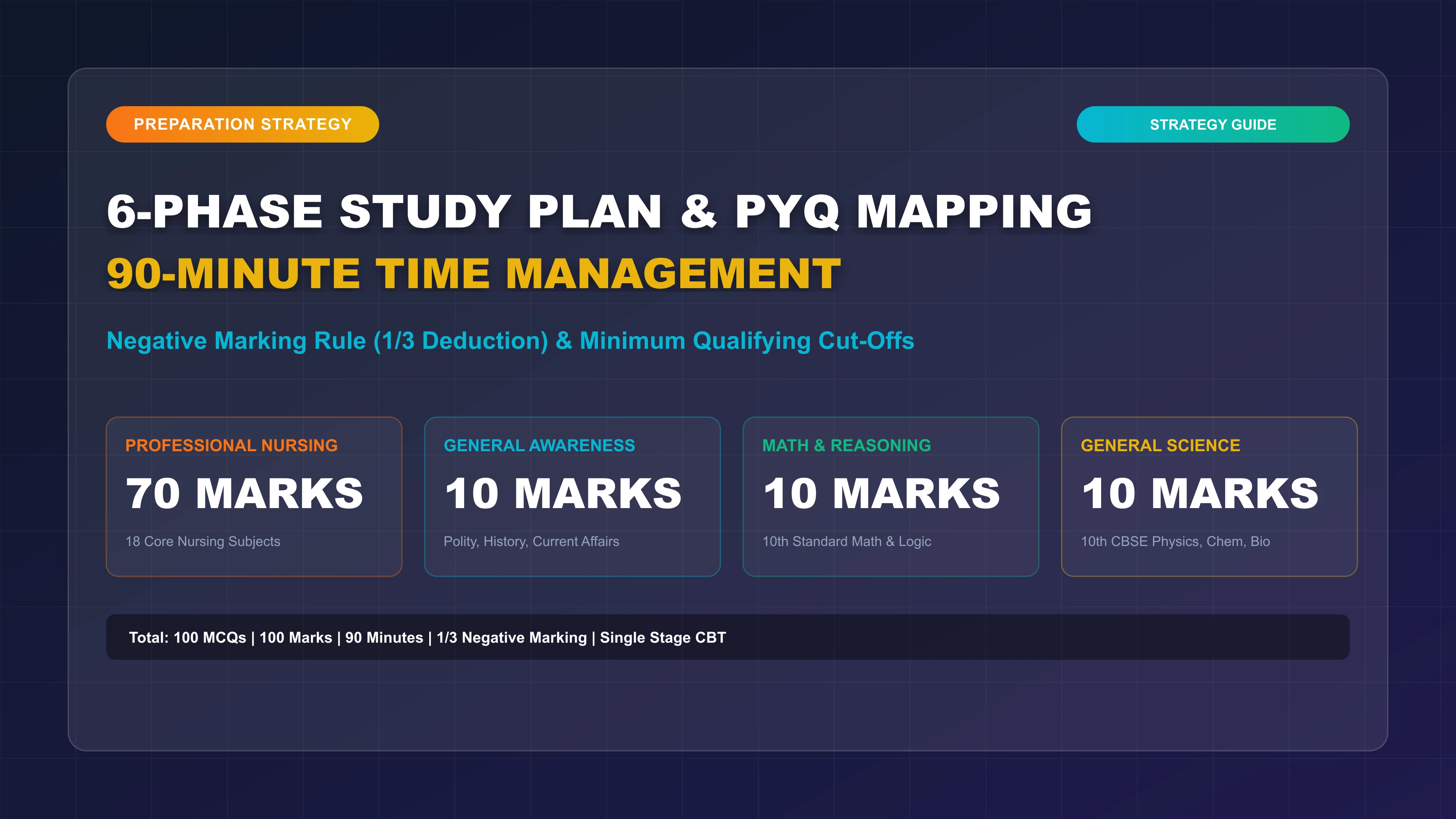
Figure 4: 6-Phase Study Workflow & 90-Minute Timed CBT Execution
- Phase 1 – Fundamentals (Weeks 1–2): Master Anatomy, Physiology, Nutrition, Biochemistry & Nursing Foundations.
- Phase 2 – Core Clinical Care (Weeks 3–5): Deep-dive into Medical-Surgical Nursing (Adult/Geriatrics), Community Health, Pediatrics (Child Health), Mental Health & Midwifery.
- Phase 3 – Supportive Sciences (Weeks 6–7): Revise Pharmacology, Microbiology, Pathology, Genetics, Psychology & Sociology.
- Phase 4 – Research & Administration (Week 8): Complete Nursing Research, Bio-Statistics, Ward Management & Nursing Education.
- Phase 5 – General Sections (Weeks 9–10): Practice 10th CBSE level Science, Arithmetic formulas, Reasoning puzzles & 6 months Current Affairs.
- Phase 6 – PYQs & Mock Test Drills (Weeks 11–12): Solve shift-wise PYQs strictly under a 90-minute timer and analyze wrong answers using negative-marking scoring formula.
8. RRB Nursing Superintendent Syllabus 2026 FAQs
9. Important Official Links & Resource Cluster
| RRB Nursing Superintendent Pillar Post (365 Vacancies) | View Pillar Post |
| RRB Nursing Superintendent Previous Year Question Papers | View PYQ Papers & Solutions |
| RRB Paramedical Recruitment 2026 Notification (590 Posts) | View Paramedical Posts |
| Official RRB CDG Portal | Official RRB CDG Page |
| Official RRB Chennai Notification PDF | Official CEN PDF |